Pipe Fusion vs. Mechanical Fittings: Which Solution Protects Your System Best?
Choosing the right pipe connection method is essential for maintaining a reliable fluid transport system. Two common options are pipe fusion and mechanical fittings, each offering distinct advantages depending on the application, operating conditions, and long-term maintenance requirements. Understanding how these methods differ can help businesses make informed decisions about system performance, durability, and leak prevention.
Working with experienced pipe professionals can also ensure that the selected connection method meets the project's demands. The wrong connection method can increase the risk of leaks, equipment problems, and costly downtime. By evaluating the specific needs of a piping system before installation, businesses can make choices that support dependable operation and help protect their infrastructure for years to come.
Understanding How It Works
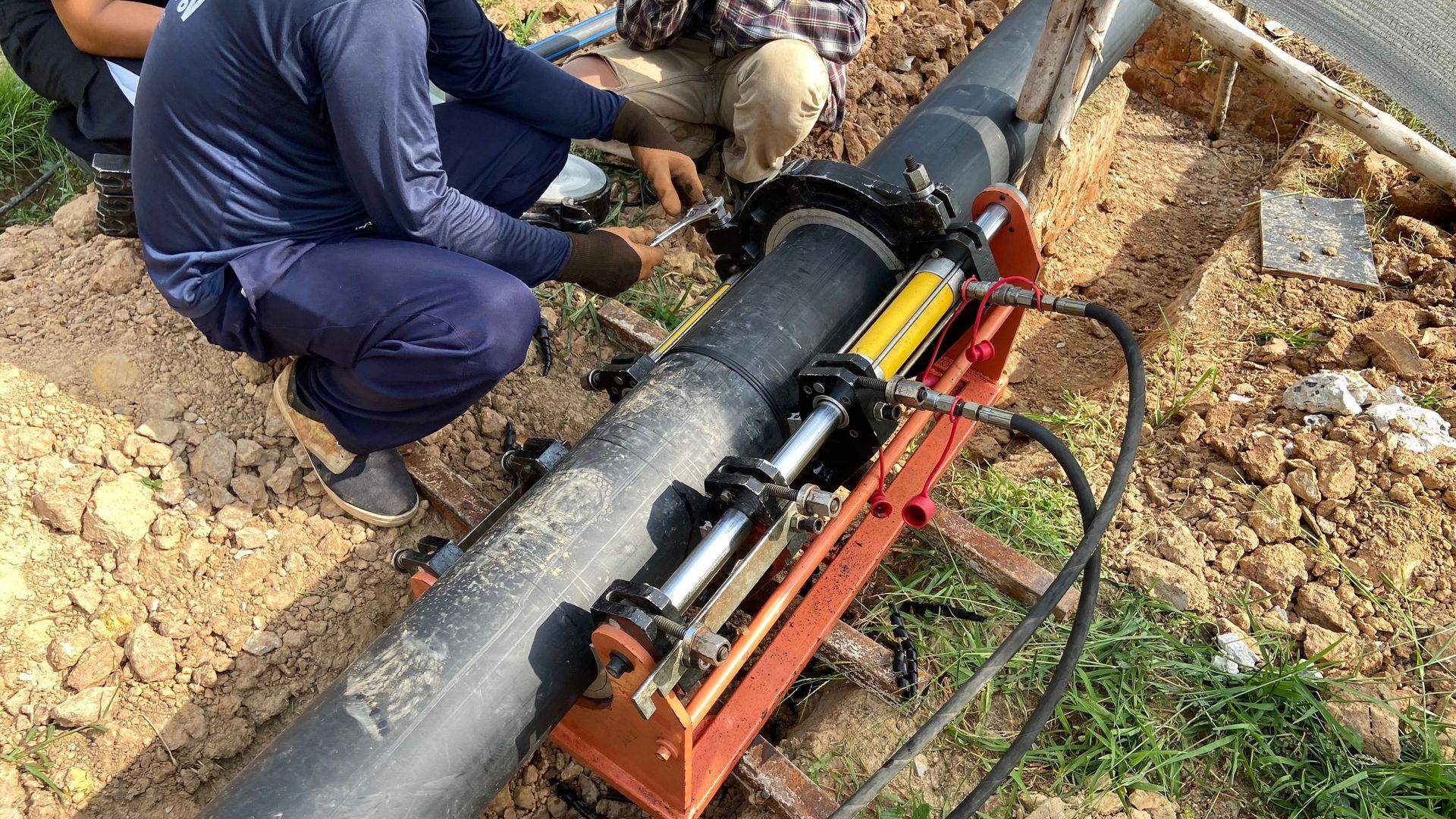
Pipe fusion is a specialized joining process that uses controlled heat and pressure to connect thermoplastic pipes. Rather than relying on separate connectors or adhesives, the process melts the ends of compatible pipes and joins them together. As the material cools, it forms a continuous connection that provides strength and prevents leaks.
This method is commonly used with high-density polyethylene (HDPE) piping systems, which are found in industrial, municipal, and water transportation applications. When performed correctly, pipe fusion creates a joint with structural properties comparable to the surrounding pipe material.
Several fusion techniques are available, including:
- Butt Fusion: The ends of two pipes are heated and pressed together to create a permanent connection.
- Electrofusion: Specialized fittings containing electrical heating elements generate the heat needed to join compatible pipe surfaces.
- Socket Fusion: Compatible pipe and fitting surfaces are heated before being joined to create a secure connection.
Each method has specific equipment requirements and applications. Proper temperature control, alignment, and pressure are essential for achieving consistent results. Experienced technicians understand these requirements and follow appropriate procedures to produce reliable connections.
Exploring How Mechanical Fittings Work
Mechanical fittings connect pipes using physical components rather than heat-based joining techniques. Depending on the fitting design, these connections may use compression, threaded components, bolts, clamps, or specialized sealing mechanisms to hold pipes together.
One advantage of mechanical fittings is their versatility. They can be useful when connecting different pipe materials, making repairs, or working in areas where specialized fusion equipment is difficult to accommodate. Certain fitting designs also allow connections to be disconnected when maintenance or system modifications are necessary.
Common types of mechanical fittings include:
- Compression Fittings: These use compression components to create a seal around the pipe.
- Flanged Connections: Bolts secure two flanged surfaces together, typically with a gasket between them.
- Threaded Fittings: Matching threads allow compatible pipes and components to connect securely.
- Grooved Couplings: These use mechanical housings and sealing components to connect grooved pipe ends.
Although mechanical fittings offer flexibility, their performance depends on proper installation and material compatibility. Seals can deteriorate, bolts may loosen, and connections can experience wear over time. Selecting the appropriate fitting for the system's pressure, temperature, and operating conditions is essential.
Comparing Durability and Leak Prevention
When evaluating pipe connection methods, durability and leak prevention are important considerations. A failed connection can lead to fluid loss, equipment damage, environmental concerns, and unexpected operational interruptions.
Pipe fusion offers an advantage by creating a continuous joint without relying on separate sealing components at the connection point. When properly performed, the fused area becomes an integrated part of the piping system. This reduces the number of potential leak points associated with individual connectors and seals.
Mechanical fittings can also provide dependable connections when correctly selected and installed. However, their performance relies on maintaining the integrity of the individual components. Gaskets, compression rings, and other sealing elements may require inspection or replacement as the system ages.
System conditions can also influence how well each connection method performs over time. Pressure fluctuations, temperature changes, vibration, and exposure to environmental conditions may affect the integrity of the connection. Evaluating these conditions during the planning process helps businesses select appropriate materials and connection techniques while reducing the likelihood of premature wear or unexpected leaks.
The best option depends on the specific application. For permanent HDPE piping installations where leak prevention is a priority, fusion may provide significant advantages. Mechanical fittings may be more practical when frequent access, disassembly, or transitions between different materials are necessary.
Evaluating Installation Requirements and Maintenance Needs
Installation requirements can influence which connection method makes the most sense for a project. Pipe fusion requires specialized machinery, trained technicians, and careful preparation. Pipe surfaces must be properly aligned, cleaned, and heated in accordance with the appropriate procedures. Environmental conditions and equipment settings can also affect the quality of the finished joint.
Mechanical fittings generally require different tools and installation techniques. Depending on the connection type, workers may need wrenches, torque tools, clamps, or other hardware. While some installations are relatively straightforward, proper tightening and sealing procedures remain important.
Maintenance is another consideration. Fused connections typically do not contain separate seals or fasteners that require routine tightening. Mechanical connections may require periodic inspections to identify worn gaskets, loose bolts, or other signs of deterioration.
According to MaintainX, 38% of maintenance teams still use a reactive approach that addresses equipment problems after failures occur, compared with 27% using predictive maintenance and 18% using condition-based maintenance. These findings highlight the importance of considering long-term maintenance requirements when selecting system components. Choosing reliable connection methods and establishing appropriate inspection schedules can help businesses reduce unexpected repairs and operational disruptions.
Choosing the Right Connection for Your System
Neither connection method is automatically the best choice for every piping application. Businesses should evaluate their system requirements, installation conditions, and long-term operating expectations before making a decision.
Several factors can help guide the selection process:
- Pipe Material: Determine whether the connection method is compatible with the existing piping materials.
- Operating Pressure: Consider the pressure requirements and whether the connection is rated for the intended application.
- Temperature Conditions: Evaluate how operating temperatures may affect pipe materials and connection components.
- Installation Environment: Consider available workspace, equipment access, and environmental conditions.
- Maintenance Expectations: Determine whether permanent connections or removable components better support future maintenance.
- Project Requirements: Account for pipe diameter, system configuration, and applicable installation standards.
For larger industrial and municipal projects, professional guidance can help prevent connection problems that may affect system performance. Titan Service & Equipment Repair provides HDPE fusion services for IPS (Iron Pipe Size) and DIPS (Ductile Iron Pipe Size) piping systems. Its capabilities include small and large-diameter fusion, electrofusion, and specialized equipment for pipe sizes ranging from two to 24 inches.
Working with certified fusion technicians helps ensure that installation procedures are performed with the appropriate equipment and attention to detail. This is particularly important for systems where dependable connections and consistent performance are essential.
Protecting Your Piping System With the Right Solution
Both pipe fusion and mechanical fittings have valuable applications in modern fluid transport systems. Mechanical connections offer flexibility and convenience for certain repairs, transitions, and installations, while fusion provides durable, integrated joints for compatible thermoplastic piping. The right choice depends on material compatibility, operating conditions, installation requirements, and long-term maintenance goals. Evaluating these factors before beginning a project can help businesses protect their infrastructure and reduce the risk of unexpected failures.
Regular inspections and proper installation practices also play an important role in maintaining connection integrity. Addressing potential concerns early can help extend equipment life, maintain consistent system performance, and minimize costly downtime caused by piping failures. Contact Titan Service & Equipment Repair today to learn more about professional pipe fusion services and find a dependable solution for your piping system.
Share On: