From Diagnosis to Testing: What Quality Fluid Equipment Services Really Look Like
Fluid equipment plays an essential role in keeping industrial operations, commercial facilities, and manufacturing environments running smoothly. Pumps, valves, hydraulic systems, and related components must work together to move liquids and maintain consistent operating conditions. When something goes wrong, even a relatively small equipment issue can interrupt production, increase operating expenses, and create safety concerns. Quality fluid equipment services go beyond simply repairing damaged components. They involve a complete process that includes accurate diagnosis, professional repairs, careful testing, and ongoing maintenance to support dependable performance.
Start With Equipment Evaluation
Reliable service begins with understanding the condition of the equipment. Before recommending repairs or replacement components, technicians need to evaluate the system and identify any visible signs of damage, wear, or performance problems. This initial inspection provides valuable information about the equipment's condition and helps determine which areas require additional attention.
Depending on the application, an evaluation may include examining pumps, motors, seals, bearings, valves, hoses, connections, and other fluid-handling components. Technicians may also review operating pressures, flow rates, temperature readings, and equipment history. These details help establish whether the issue involves an individual component or a larger system problem.
A comprehensive evaluation is important because symptoms do not always reveal the underlying cause of equipment failure. A pump that struggles to maintain pressure, for example, may have a damaged impeller, restricted intake, worn seals, or an issue elsewhere in the system. Identifying the actual problem is essential for selecting an effective repair strategy.
Accurate Diagnostics Help Prevent Recurring Problems
Once the initial evaluation is complete, the next step involves diagnosing the source of the equipment problem. Quality fluid equipment services rely on systematic troubleshooting rather than guesswork. Technicians examine available performance information, investigate potential causes, and determine which components are contributing to the malfunction.
Common warning signs include unusual vibration, excessive noise, fluid leaks, inconsistent pressure, overheating, and reduced flow. These symptoms can indicate mechanical wear, improper alignment, contamination, or problems with system configuration. Electrical issues may also affect equipment operation, particularly when motors and automated controls are involved.
Accurate diagnostics help businesses avoid spending money on repairs that only address surface-level symptoms. Replacing a damaged seal may temporarily stop a leak, but it will not resolve the problem if excessive pressure or shaft misalignment caused the original failure. A thorough diagnostic process helps fluid equipment services identify these underlying conditions and recommend repairs that address the actual source of the issue.
Minimize Downtime With Efficient Repair Services
Unexpected equipment failures can have serious consequences for businesses that depend on consistent fluid movement. Production schedules may be delayed, employees may be unable to complete essential tasks, and facilities may experience interruptions that affect customers and other operations.
According to a 2025 survey by Pumps & Systems, 82% of companies experienced at least one unplanned downtime event in the past three years, and most experienced two or more. This highlights the importance of having access to dependable equipment service when unexpected problems occur.
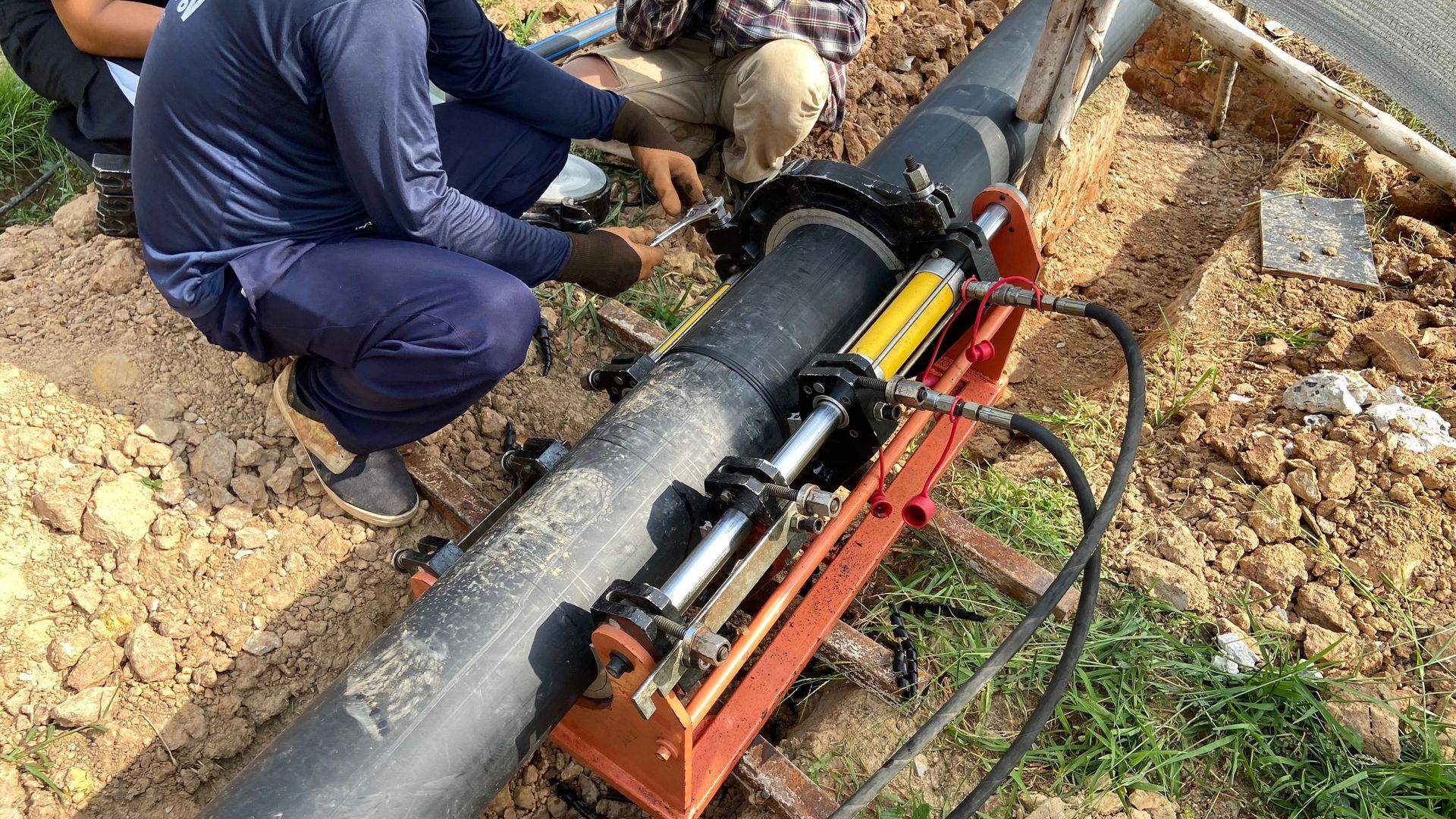
Professional repair services help businesses address mechanical problems before they create more extensive disruptions. Depending on the equipment and condition, repairs may involve replacing worn bearings, installing new seals, correcting alignment, repairing damaged housings, or servicing motors and other connected components.
Experienced fluid equipment services also understand the importance of completing repairs efficiently without overlooking important details. Clear communication about repair requirements, estimated timelines, and replacement components helps businesses make informed decisions while planning their operations.
Use Quality Replacement Parts and Proper Repair Techniques
The quality of replacement components can directly influence equipment reliability. Fluid-handling systems often operate under demanding conditions involving pressure, temperature fluctuations, chemical exposure, and continuous movement. Components must be suitable for the specific application to provide dependable service.
For example, selecting the correct seal material is important when equipment handles corrosive or high-temperature fluids. Bearings must also be appropriate for the operating load and speed of the machinery. Using incompatible components can lead to premature wear, leaks, reduced performance, or additional equipment failures.
Professional fluid equipment services consider manufacturer specifications, equipment requirements, and operating conditions when selecting replacement parts. They also follow appropriate repair procedures to ensure components are installed correctly and function as intended.
Taking these precautions helps protect equipment investments and reduces the likelihood of recurring service problems.
Evaluate the Entire Fluid System, Not Just Individual Components
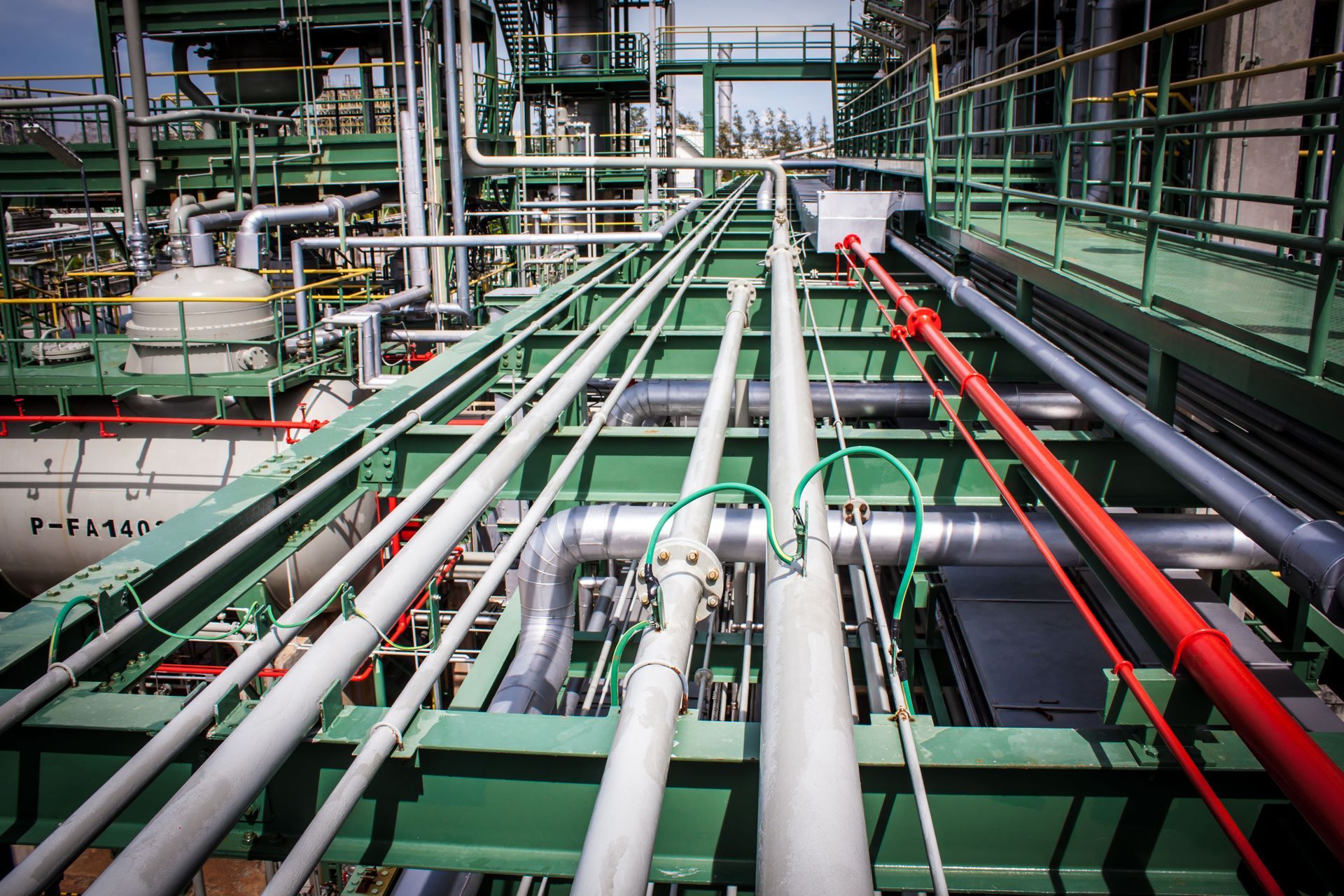
Fluid equipment rarely operates independently. Pumps, pipes, valves, filters, motors, and control systems work together to maintain the desired flow and pressure throughout an application. When one component develops a problem, it can affect the performance of the entire system.
For this reason, quality service involves examining how individual components interact. A pump may be functioning properly but still deliver inadequate performance because of restricted piping, clogged filters, improperly positioned valves, or insufficient fluid supply. Similarly, excessive system pressure can place unnecessary stress on equipment and shorten component lifespans.
Looking at the entire system helps technicians recognize conditions that may contribute to equipment problems. It also provides an opportunity to recommend adjustments that improve efficiency and reliability. Addressing system-wide concerns can help businesses avoid repeated service calls caused by problems outside the original repair area.
Testing Confirms Equipment Is Ready for Operation
Completing a repair does not necessarily mean the service process is finished. Testing is an essential part of quality fluid equipment services because it helps verify that the repaired equipment operates properly before returning to regular use.
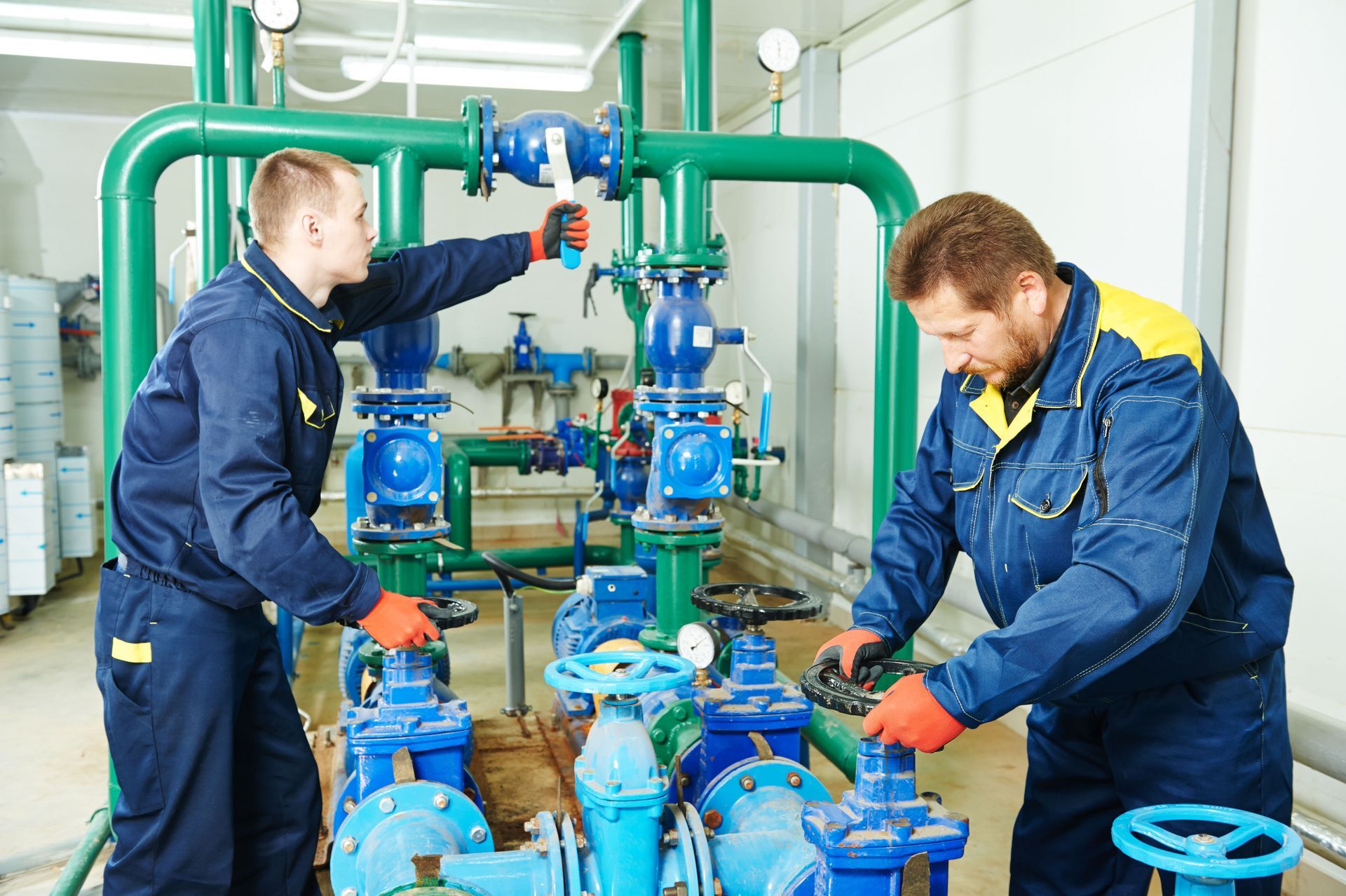
Depending on the equipment, testing may involve evaluating pressure, flow rates, vibration, temperature, leakage, and overall mechanical performance. Technicians may also inspect electrical connections, confirm motor operation, and check that safety features function correctly. These evaluations help determine whether the equipment meets its intended operating requirements.
Testing can also reveal issues that may not have been apparent during the initial inspection. For example, a repaired pump may operate normally under limited conditions but experience excessive vibration when subjected to its typical workload. Identifying this problem before the equipment returns to full operation can help prevent another unexpected shutdown.
Thorough testing provides businesses with greater confidence that repairs have addressed the original problem and that the equipment is prepared to resume its intended function.
Prioritize Preventive Maintenance Between Repairs
Although professional repairs are important, preventing equipment problems is equally valuable. Routine maintenance by fluid equipment services helps identify developing concerns before they lead to major failures. It also gives businesses an opportunity to maintain equipment performance and plan service around operating schedules rather than responding to unexpected emergencies.
Preventive maintenance may include inspecting seals and bearings, checking fluid levels, cleaning filters, examining hoses, evaluating connections, and monitoring operating conditions. Lubrication, alignment checks, and vibration analysis may also be appropriate depending on the equipment.
Maintenance schedules should reflect manufacturer recommendations, operating hours, environmental conditions, and the demands placed on individual components. Equipment used continuously in demanding industrial environments may require more frequent attention than machinery operating under lighter conditions.
Working with a qualified service provider can help businesses establish practical maintenance schedules based on their equipment and operational needs. Consistent attention can extend component life, improve reliability, and reduce the risk of costly interruptions.
Dependable fluid equipment performance requires more than occasional repairs. From initial inspections and accurate diagnostics to component replacement, system evaluations, and final testing, every stage contributes to equipment reliability. Professional service also helps businesses identify maintenance needs and reduce the likelihood of unexpected downtime. By working with experienced fluid equipment services, businesses can protect important machinery, support efficient operations, and maintain confidence in the systems their facilities depend on every day. Contact our team at Titan Service & Equipment Repair today!
Share On: