How Experts Determine if End Suction Centrifugal Pump Repair Is Needed
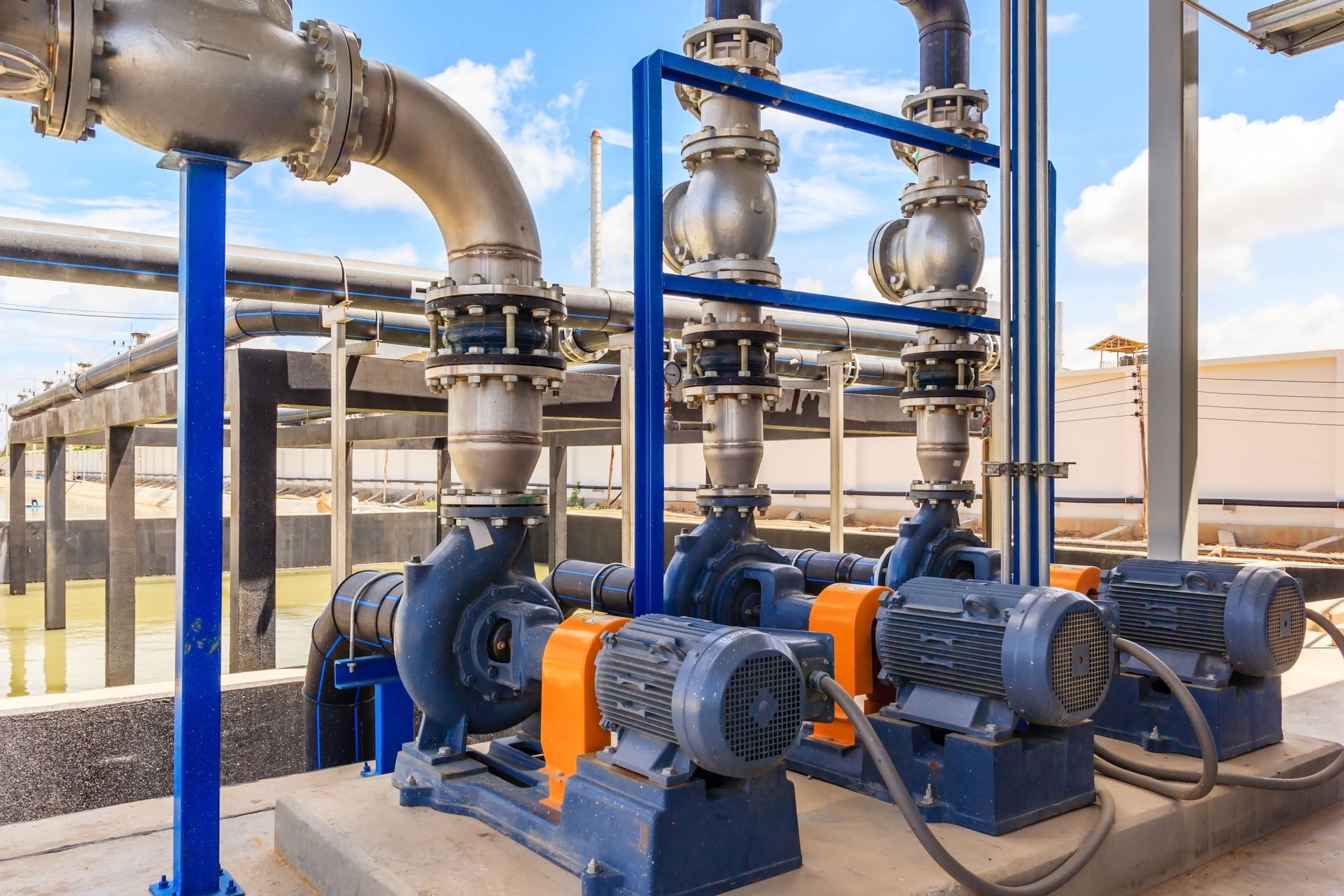
End suction centrifugal pumps are widely used across various industrial fluid systems because they are built to handle consistent movement of liquids under demanding operating conditions. When performance begins to shift, determining whether intervention is necessary requires evaluation rather than assumptions. In most cases, early indicators appear gradually through changes in pressure stability, vibration patterns, or flow consistency. When these signs emerge, operators often consider whether full service or targeted intervention is required to restore performance.
Understanding when intervention is necessary is essential for maintaining consistency and avoiding cascading mechanical issues. A well-executed diagnostic approach helps distinguish between normal wear and conditions that require corrective work. In industrial environments where continuous fluid movement is essential, timely decision-making around pump repair directly influences system reliability and operational cost control.
Initial Inspections to Reveal Mechanical Wear Patterns
Visual Assessment of Wear and Leakage Indicators
Initial evaluation of a centrifugal pump typically begins with a detailed visual inspection focused on external conditions and early signs of mechanical stress. Technicians examine housing surfaces, seals, and connection points for evidence of fluid leakage, corrosion, or abnormal residue buildup. These indicators often reveal whether internal components are beginning to degrade, even before performance metrics show major deviation. In many facilities, this first step determines whether repair can be limited to minor corrections or requires deeper mechanical intervention.
Technicians also observe mounting stability and alignment markers. Misalignment can produce uneven wear patterns that gradually reduce system efficiency and increase vibration levels. A structured inspection allows service professionals to identify whether wear is isolated or systemic. When multiple indicators appear simultaneously, it often suggests that the pump is operating beyond optimal tolerances and may require more comprehensive pump repair procedures to prevent further deterioration.
Operational Performance and Flow Consistency Checks
After visual assessment, technicians evaluate how the pump behaves under active operation. Fluctuations in discharge pressure or irregular output often suggest internal wear or partial obstruction. According to the Visual Encyclopedia of Chemical Engineering Equipment, centrifugal pumps are most effective for high-volume liquid handling, generally operating in the range of 40 to 1,500 gallons per minute, which highlights their reliance on consistent internal dynamics to maintain performance. When a pump begins to deviate from expected flow behavior within this range, further diagnostic review is typically required.
During this phase, technicians may also assess suction conditions and verify whether the pump is maintaining proper intake pressure. Cavitation symptoms, such as noise or vibration during operation, often indicate that internal components are under stress. These operational inconsistencies help determine whether pump repair should focus on hydraulic correction, mechanical replacement, or full system recalibration.
Baseline Diagnostics and Measurement Comparisons
Baseline measurements provide a reference point for evaluating current pump condition against expected performance standards. Technicians record vibration levels, pressure readings, and rotational stability to determine whether the system is operating within acceptable thresholds. These values are compared to manufacturer specifications or historical performance data to identify deviations that may not be visible during inspection.
When discrepancies are identified, they often signal early-stage mechanical degradation. Even small variations in shaft movement or pressure output can indicate developing issues within bearings or impeller assemblies. At this stage, repair decisions are guided by whether the deviations are stable or worsening over time. A stable variation may only require monitoring, while progressive deviation typically signals the need for corrective intervention to restore operational integrity.
Internal Component Failures That Signal Service Needs
Seal Integrity and Leakage Escalation
Mechanical seals are among the most common failure points in centrifugal pump systems. When seal integrity begins to weaken, fluid leakage often appears around housing joints or shaft connections. This type of failure rarely occurs suddenly and typically progresses through minor seepage before becoming visually obvious. Once leakage is detected, technicians assess whether the seal can be adjusted or if full replacement is necessary. In many cases, pump repair is initiated at this stage to prevent further internal contamination or pressure loss.
Seal degradation can also affect system efficiency by allowing air ingress, which disrupts hydraulic balance. This can lead to inconsistent flow and increased operational strain. Addressing seal issues early helps prevent secondary damage to adjacent components. When left unresolved, seal failure often accelerates wear in bearings and impellers, increasing the scope and cost of eventual repair.
Bearing Degradation and Vibration Behavior
Bearings play a critical role in maintaining shaft stability and rotational alignment. When bearings begin to degrade, vibration levels typically increase and become more noticeable during operation. This vibration is often one of the earliest measurable indicators that internal mechanical support is weakening. Technicians rely on vibration analysis to determine whether the issue is isolated or part of a broader mechanical failure.
As bearing wear progresses, friction increases and operating temperatures may rise. This combination can reduce efficiency and shorten overall equipment lifespan. In many industrial systems, bearing-related issues are a primary reason for scheduled pump repair because they directly affect both performance and safety. Early detection allows for targeted replacement rather than full system overhaul, preserving operational continuity.
Systemic Evaluation and Long-Term Reliability Decisions
Hydraulic Performance Under Load Conditions
Evaluating pump performance under real operating loads provides a clearer understanding of system health than idle testing alone. Under load, technicians observe how the pump responds to sustained demand and whether it maintains consistent output. Pressure drops or unstable flow under these conditions often indicate internal inefficiencies that may not be apparent during baseline testing.
Load testing also helps identify whether the system is operating within its intended capacity range. When pumps are consistently pushed beyond optimal conditions, wear accelerates across multiple components. This is where structured pump repair decisions become essential, as they help restore balance between operational demand and mechanical capability.
Energy Efficiency and Operational Strain Indicators
Energy consumption is a strong indicator of pump condition. When internal resistance increases due to wear or misalignment, the system requires more power to maintain the same output. This inefficiency often signals that mechanical components are no longer operating at optimal tolerance levels. Technicians monitor power usage trends to determine whether performance degradation is occurring.
Increased energy demand is frequently accompanied by subtle changes in vibration and temperature. These combined indicators provide a comprehensive picture of system strain. When efficiency loss becomes consistent, pump repair is typically recommended for restoring mechanical alignment and reducing operational costs. Addressing inefficiency early helps prevent further deterioration and supports long-term reliability.
Maintenance History and Service Threshold Decisions
Maintenance records play a critical role in determining whether intervention is necessary. Technicians review prior service events, component replacements, and performance trends to identify recurring issues. A pattern of repeated failures often indicates that deeper mechanical problems are present within the system.
When maintenance history shows increasing service frequency, it may signal that the pump has reached a threshold where comprehensive intervention is required. At this stage, pump repair decisions are based not only on current condition but also on long-term reliability expectations. Facilities that rely heavily on continuous fluid movement often prioritize proactive service to avoid unexpected downtime and maintain operational stability.
Determining whether intervention is needed for an end suction centrifugal pump requires a structured evaluation of mechanical condition, operational behavior, and system-wide performance trends. Each stage of inspection contributes to a clearer understanding of whether issues are isolated or indicative of broader mechanical decline.
When combined with consistent monitoring and informed decision-making, these assessments help ensure that equipment continues operating within safe and efficient parameters. For more information regarding professional repair services for end suction centrifugal pumps, reach out to Titan Service & Equipment Repair!

Share On: