
9 Ways Pipe Fusion Service Decreases Energy Waste
Energy efficiency is increasingly important across residential, commercial, and industrial systems, especially as rising utility costs and aging infrastructure make even small inefficiencies more costly over time. Piping systems play a larger role in overall energy performance than many property owners realize, since leaks, pressure drops, and joint failures can force equipment to work harder and consume more energy. Modern joining methods like pipe fusion help address these issues by creating continuous, sealed connections that reduce energy loss and support long-term system performance. In this article, we'll explore how pipe fusion service helps reduce energy waste and why it's become a preferred solution for efficiency-focused projects.
1. Eliminates Energy Loss From Leaks
Leaks are one of the most common and costly sources of energy waste in piping systems. Even small leaks can lead to gradual pressure loss, forcing pumps, compressors, or heating systems to work harder to maintain required output. In many cases, these leaks are not immediately visible, allowing energy waste to continue unnoticed for extended periods.
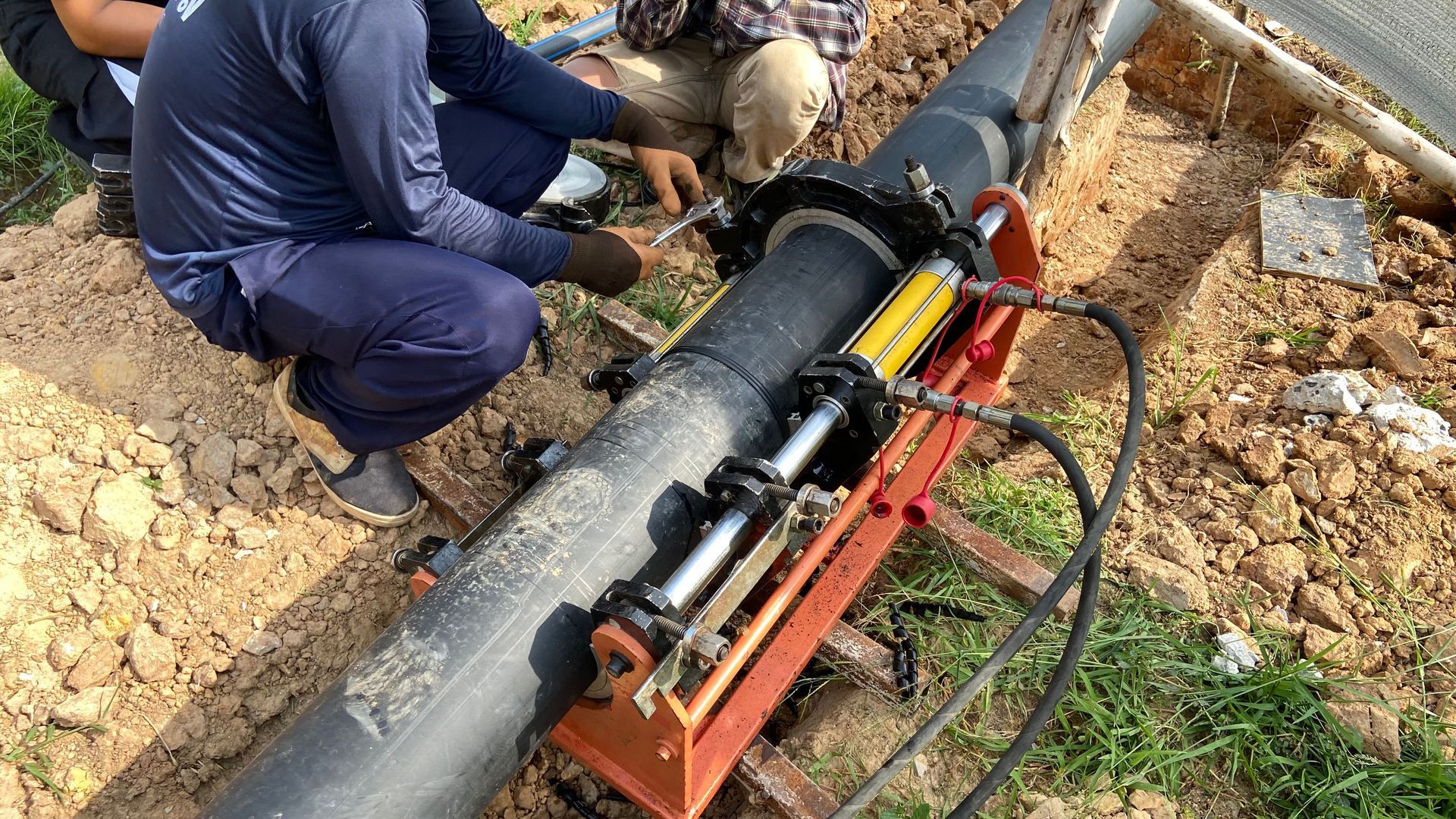
Traditional mechanical joints rely on threads, gaskets, or seals that can loosen over time due to vibration, temperature changes, or material fatigue. As these connections degrade, the likelihood of leaks increases. Pipe fusion creates joint connections that are fully bonded at the molecular level, forming a single, continuous piece of pipe. Unlike mechanical joints, fused connections do not loosen, shift, or degrade in the same way.
This permanent seal significantly reduces the risk of leaks throughout the system. By preventing pressure loss before it occurs, pipe fusion helps maintain system efficiency and reduces the extra energy required to compensate for escaping fluids or gases.
2. Creates Consistent Flow Paths
In conventional piping systems, fittings such as elbows, couplings, and threaded joints can interrupt the internal diameter of the pipe. These interruptions create turbulence as fluids or gases move through the system. Turbulence increases resistance, which in turn requires more energy to maintain consistent flow rates.
Fusion-joined pipes form smooth, uninterrupted pathways with consistent internal dimensions. Because the joints are fused rather than inserted or threaded, there are no internal ridges or restrictions that disrupt flow. This streamlined design allows fluids to move more freely through the system.
Reduced resistance translates directly into lower energy usage, especially in systems that operate continuously or handle high volumes. Over time, smoother flow paths can lead to measurable reductions in power consumption and improved overall system performance.
3. Reduces Pressure Drop Across the System
Pressure drop is a major contributor to energy waste in piping networks. As fluids or gases pass through multiple joints and fittings, pressure gradually decreases. To compensate, pumps and compressors must increase output, drawing more energy to maintain operational requirements.
Pipe fusion minimizes pressure drops by eliminating weak points and restrictive fittings. Fused joints maintain the full internal diameter of the pipe, allowing pressure to remain more consistent throughout the system. This stability reduces the need for equipment to compensate for pressure losses.
In large or complex systems, even small improvements in pressure stability can result in significant energy savings. By reducing pressure fluctuations, pipe fusion supports efficient operation while lowering overall energy demand.
4. Supports Long-Term System Integrity
Energy waste often increases as systems age. Corrosion, joint degradation, and material fatigue all contribute to declining performance and rising energy demands. Older piping systems may require frequent repairs or adjustments, each of which introduces inefficiencies.
Fusion-based systems are widely recognized for their durability and resistance to corrosion. Materials commonly used in pipe fusion applications are designed to withstand chemical exposure, temperature variation, and environmental stress. Because fused joints are as strong as or stronger than the pipe itself, they are less likely to fail over time.
By maintaining structural integrity over decades, fused piping helps systems operate closer to their original efficiency levels for longer periods. This longevity reduces the need for energy-intensive repairs, retrofits, or premature system replacements.
5. Improves Thermal Efficiency in Heating Applications
In heating systems, energy loss frequently occurs at joints and connections where heat escapes before reaching its destination. Poorly sealed connections can undermine insulation efforts and reduce the effectiveness of boilers, heat exchangers, and distribution networks.
Pipe fusion creates uniform joints that integrate seamlessly with insulated piping. Because there are no gaps or weak points at the connections, heat retention is improved throughout the system. This uniformity allows heating equipment to deliver energy more efficiently, reducing wasted thermal output.
Improved thermal efficiency also means systems can reach desired temperatures faster and maintain them with less cycling. Over time, this contributes to lower fuel or electricity usage and more stable operating conditions.
6. Minimizes Pump and Equipment Strain
When piping systems are inefficient, mechanical equipment must work harder to maintain performance. Pumps may run at higher speeds, compressors may cycle more frequently, and motors may operate under increased load. This added strain leads to higher energy consumption and accelerated wear.
A properly installed pipe fusion service supports consistent flow and stable pressure, reducing unnecessary stress on mechanical components. With fewer leaks, pressure drops, and flow restrictions, equipment can operate within optimal ranges.
As a result, energy use becomes more predictable and often lower over time. Reduced strain also extends the lifespan of pumps and motors, further decreasing the energy and resources required for repairs or replacements.
7. Reduces Water and Resource Waste
Energy waste is closely tied to resource waste. Treating, transporting, and pressurizing water all require energy, regardless of how that water is ultimately used. According to the International Bottled Water Association, in the United States, more than 99% of municipal water is used for purposes other than human consumption.
Leaks in water distribution systems result in wasted water that still requires energy to treat and transport. By preventing leaks and maintaining efficient flow, fused piping helps conserve water that would otherwise be lost.
Reducing wasted water also reduces the energy required to process, pump, and deliver that water. This relationship highlights how improvements in piping efficiency can have a broader impact on overall energy conservation efforts.
8. Enhances Performance in Industrial Systems
Industrial environments often rely on high-pressure or high-temperature piping systems that operate continuously. In these settings, even minor inefficiencies can lead to substantial energy losses due to scale and constant demand.
Pipe fusion is particularly effective in industrial applications because it maintains joint strength under demanding conditions. Fused connections resist vibration, thermal expansion, and chemical exposure more effectively than many mechanical alternatives.
Stable, leak-free joints support consistent system performance while reducing energy losses associated with downtime, rework, or frequent system adjustments. This reliability is especially valuable in facilities where energy efficiency directly impacts production costs.
9. Lowers Maintenance-Related Energy Costs
Maintenance activities themselves consume energy, from powering tools and equipment to transporting materials and personnel. Systems that require frequent repairs or joint replacements add to this often overlooked energy burden.
Fusion-joined systems typically require fewer repairs over their operational lifespan. Because joints are permanent and highly durable, the likelihood of failure is significantly reduced. This reliability minimizes the need for emergency service calls and unplanned maintenance.
By reducing maintenance frequency, a pipe fusion service indirectly lowers the energy associated with service interruptions, equipment downtime, and component replacements, contributing to more efficient long-term operations.
If you're planning a new installation or evaluating upgrades to an existing system, consulting our team at Titan Service & Equipment Repair can help align your infrastructure with long-term efficiency goals. Taking action today can reduce energy waste, extend system lifespan, and support more efficient operations for years to come.
Share On: